
About Jonang Foundation
Jonang Foundation is a non-profit support organization, international network, and online educational resource for the Jonang tradition of Tibetan Buddhism. We advance research and scholarship on the Jonang, and host educational and cultural preservation initiatives that sustain and enliven this distinct tradition within contemporary contexts.
Working with the living tradition inside Tibet as well as within the international community, the purpose of Jonang Foundation is to uphold and promote understanding of the intellectual, creative, and spiritual heritage of the Jonang. Our vision is for there to be greater preservation, education, translation, documentation, and revivification for the Jonangpa, and our work is to provide these services.
Thought to be extinct, and only recently appearing to the world beyond Tibet, the Jonang comprises its own unique tradition of Tibetan Buddhism. Isolated for centuries in the remote valleys of far eastern Tibet, the Jonangpa are the primary lineage-holders of the Kalachakra six-fold vajrayoga and zhentong meditative view.
As the legend is told, the local female protector deity Jomo Ngak Gyalmo visited Kunpangpa and invited him to live in her valley of Jomonang. In 1294, Kunpangpa arrived at Jomonang and settled in the Bliss-Infused Enjoyment of Space meditation cave. Since Kunpangpa settled in the valley, those who followed in the transmission lineages associated with the place of Jomonang are known as "Jonangpa," and the tradition itself as, "Jonang."
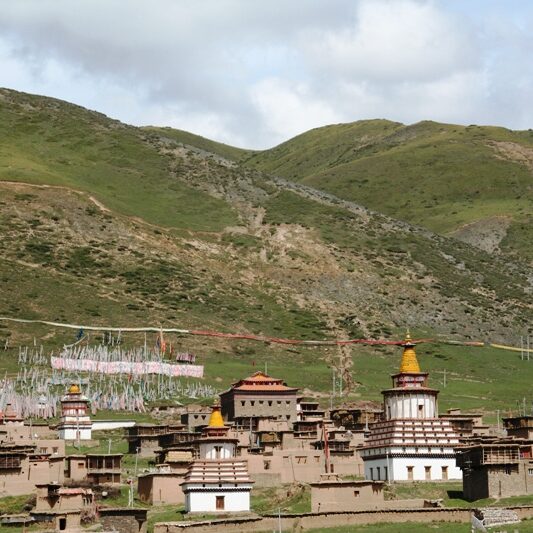
Sites
Some description about sites
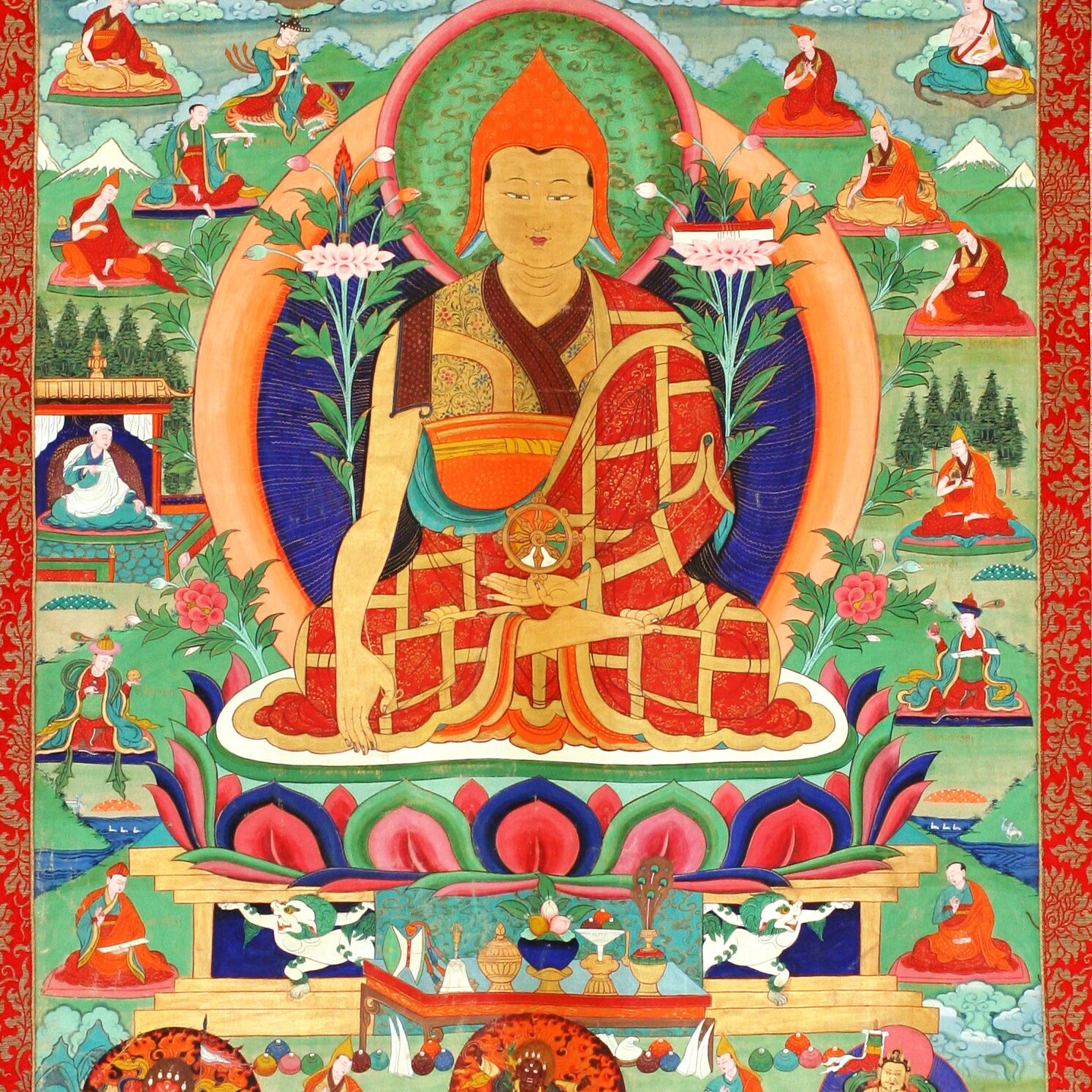
Masters
Some description about masters
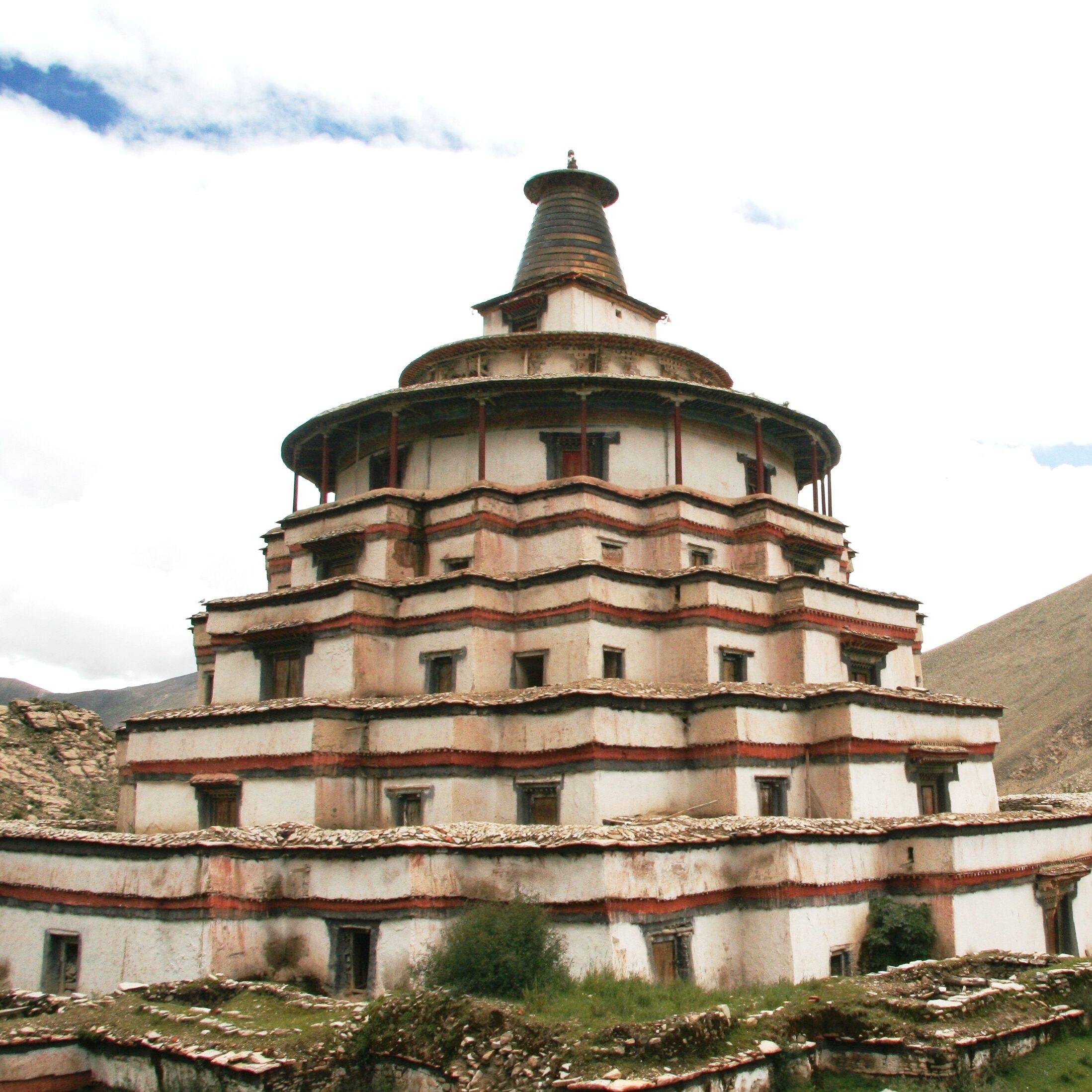
Timeline
Some description about masters
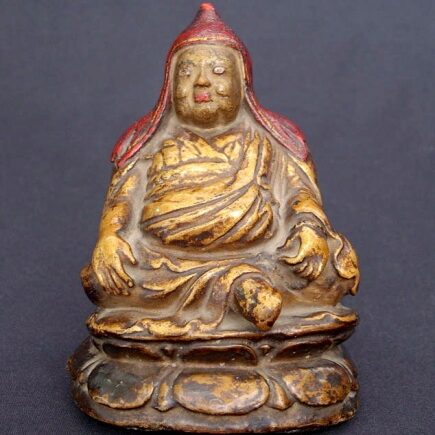
Artifacts
Some description about masters
The Jonangpa Blog
Revival of the Bodong: A Video Interview with Geshe Pema Dorjee
As part of our ongoing work to support the preservation and revival of minority traditions of Tibetan Buddhism, we sat down to interview Geshe Pema Dorjee — the leading figure in the revivification of the Bodong tradition.
Read More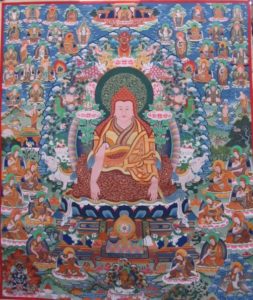
Dolpopa’s Song of Auspiciousness in Translation
We are happy to make a new translation of a song of auspiciousness by Dolpopa available to download and share.
Read More
Shangpa Sites on Tibet Map
The Shangpa Kagyu tradition has had close historical connections with the Jonang since the sixteenth century.
Read More
Revised Pilgrimage to Mount Kailash 2014
The road to Mount Kailash in western Tibet is officially closed during the period of our regularly scheduled Jonang Foundation pilgrimage for the Saga Dawa Horse Year Festival.
Read MoreTranslation of Chod Texts by Taranatha
Translator Sarah Harding has graciously made available two translations of Tarantha’s writings on Chod practice.
Read More
2014 Horse Year Festival at Mt. Kailash
We are happy to announce that the Jonang Foundation 2014 pilgrimage to Tibet will be for the Wood Horse Year Festival at Mount Kailash, June 3rd to 24th.
Read More